
What Is Ketamine? Medical Uses, Health Risks and Why Testing Matters
What is ketamine? Explore its medical uses, dissociative effects, risks with alcohol and other drugs, and what saliva drug testing can reveal.

What is ketamine? Explore its medical uses, dissociative effects, risks with alcohol and other drugs, and what saliva drug testing can reveal.

Fertilizer efficiency is no longer only a sustainability goal. As input prices rise and farm margins tighten, field-level soil data can help growers target applications, protect yield and avoid spending money where additional fertilizer is not needed.

Cocaine and alcohol can form the active substance cocaethylene. Discover why its presence changes the testing question and why separate quantitative measurement provides more information than a simple cocaine-positive result.

Trendline shows why different saliva tests, cut-offs and drug panels make European drug-driving data difficult to compare—and where Drug Hunter fits.
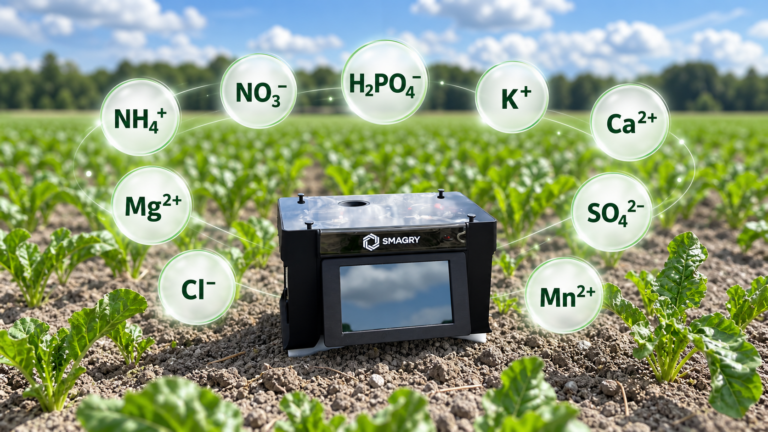
Explore the nine ions SMAGRY measures in soil, their roles in plant nutrition, and what each measurement can tell an agronomist about nutrient supply.

EUDA wastewater data shows cocaine levels rising across European cities. The trend is not only growing – it is spreading. What does this changing geography mean for monitoring and on-site testing?

The UK is reconsidering how drug-driving evidence is collected. With blood-test results sometimes taking months, could quantitative saliva analysis move more of the forensic process directly to the roadside?

A positive roadside drug test can lead to blood collection, laboratory analysis and legal procedures—only for the final result to fall below the applicable threshold. The reason is not always a faulty test. Timing, cut-offs, metabolites and national law all shape what a “positive” result actually means.
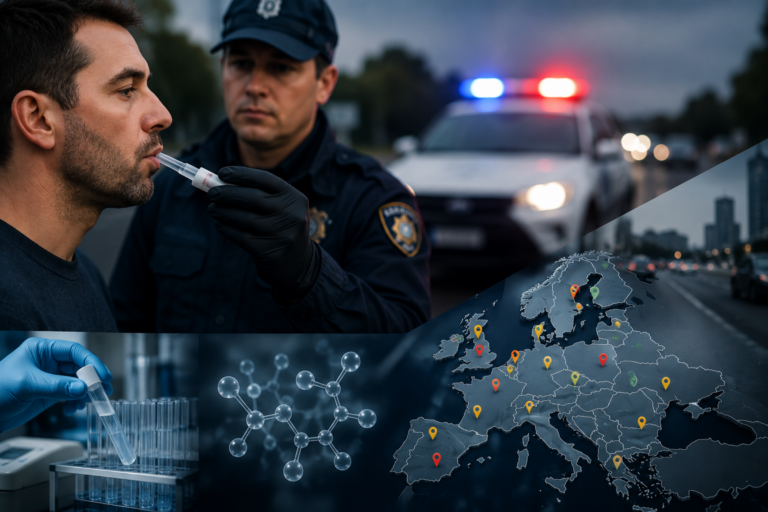
A positive saliva drug test proves that a test reacted. It does not always explain when the drug was used, how much is present, or whether the result exceeds the applicable legal threshold.

Professionals need to understand how much GHB is present, whether the measured concentration may indicate exposure, and whether the result can support further medical, safety, or investigative decisions.
That is why quantitative GHB detection matters.