Tariffs Are Driving Up Fertilizer Prices: Agronomist Urges Cautious Use, While SMAGRY Startup Offers a Solution
A recent report by the television program Aktuaalne kaamera on Estonian National Broadcasting (ERR) has caused concern among many farmers. Riho Kens, an agronomist at Viraito, explained that due to new tariffs on fertilizers imported from Russia and Belarus, agricultural producers will soon have to make “tough decisions” about what crops they can afford to fertilize. In July 2025, the European Union introduced a 5% base duty along with a flat surcharge of €40–45 per ton, which is set to rise to €430 over the next three years. These measures are intended to reduce revenues Russia receives from fertilizer exports, but for farmers they mean that the price of nitrate solutions has increased from €160 per ton five years ago to around €300 today, reaching as high as €600–700 during the pandemic.
Rising input costs are already being felt in Estonia. This spring, some farmers postponed sowing because the cost of fuel and fertilizers is rising faster than grain prices. In the first days of the Middle East war, some fertilizer distributors were forced to update their price lists daily, as prices for certain products increased by 30–50%. Kalle Hamburg, Chairman of the Board of the Estonian Farmers’ Union, has openly stated that at current prices, grain production is becoming economically unviable.
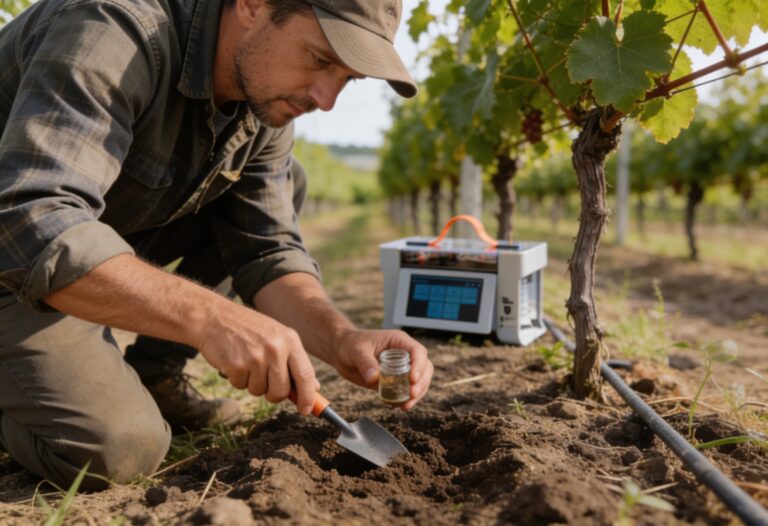
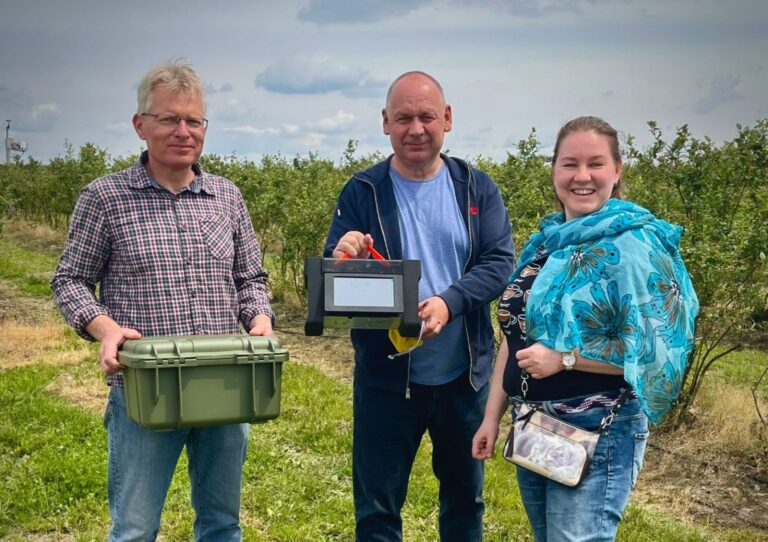
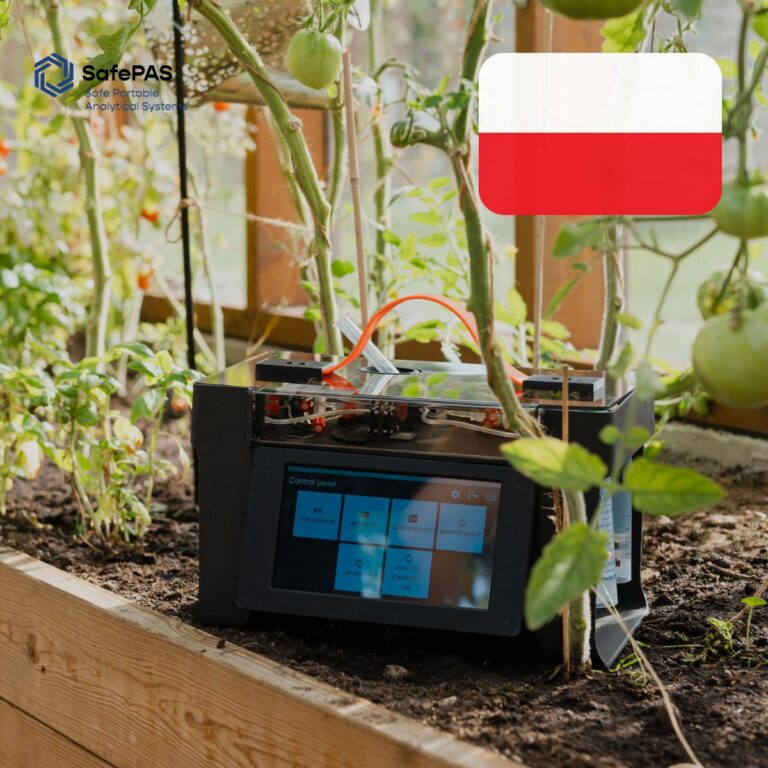
According to Kens, the situation calls for “smart and careful” decision-making — and this is where the SMAGRY platform comes in. Developed by the Estonian company SafePAS, the startup offers a comprehensive soil health management system. A combination of portable analyzers and IoT sensors allows precise measurement of nutrient levels and pH, while a cloud-based application powered by artificial intelligence provides fertilizer recommendations tailored to soil type and specific crops.
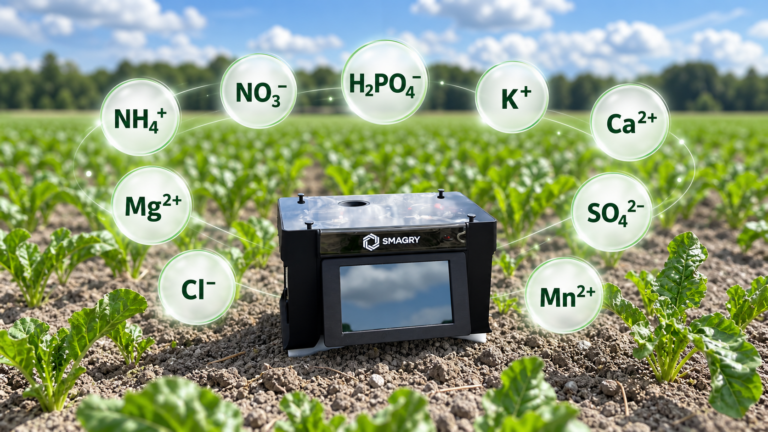
The system’s core device, SMAGRY-nutrients, is a portable analyzer with low reagent consumption that delivers laboratory-grade measurement accuracy. It enables quantitative field testing of ammonium, potassium, magnesium, calcium, nitrates, phosphates, iron, and other elements. It is complemented by the SMAGRY-SOM probe, which continuously monitors soil organic matter, NPK levels, and electrical conductivity, helping assess soil structure. The platform supports instant on-site analysis, cloud-based data storage, and mobile app access, helping reduce fertilizer use, improve yields, and provide personalized recommendations for crop selection and soil management.
SafePAS emphasizes that its technology enables farmers to make informed decisions faster than traditional laboratory testing allows. This is especially important today, as high tariffs and global conflicts are causing supply shortages and rapid price increases. According to the developers, the company is open to free pilot projects and ready to demonstrate “what your soil is capable of,” while helping reduce fertilizer costs. For farmers concerned about new tariffs and price volatility, SMAGRY may offer a practical alternative — enabling more precise decisions about where and how much to fertilize, keeping yields stable and costs under control.